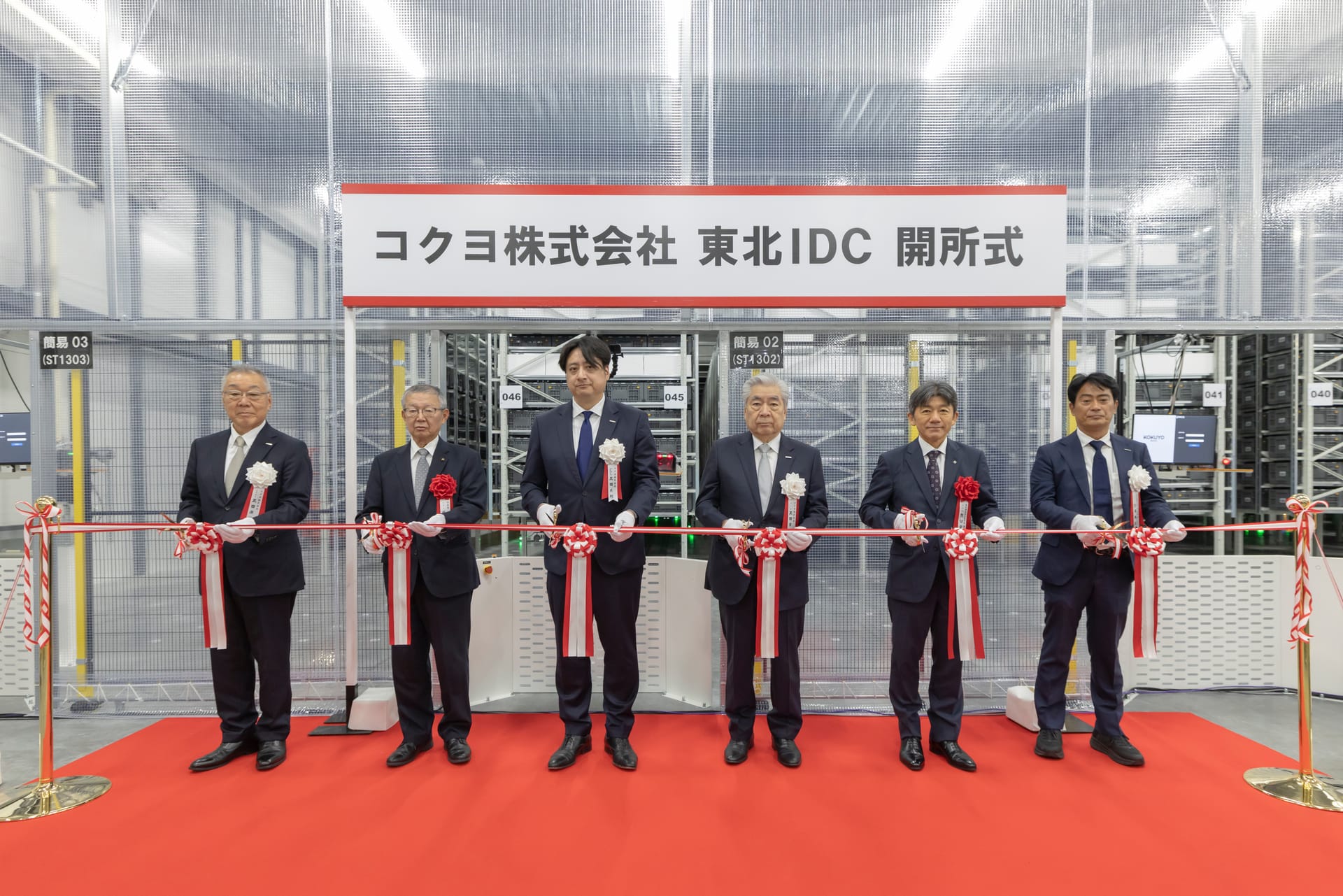
Kokuyo has set November 30 for the start of operations at its new Tohoku distribution center in Sendai, Japan. The facility will serve Kaunet, the group’s business-supply retailer, with robots bringing stock to picking stations and a planned expansion of same-day delivery across the city.
The October 14 announcement follows an opening ceremony held the previous day. The distinction matters: the ribbon has been cut, but the operational start is still ahead.
Less walking, more picking
The warehouse pairs five-meter-high storage racks with goods-to-person robots. Instead of sending a picker down an aisle for every item, the system brings containers to the workstation. Kokuyo puts maximum storage capacity at 270,000 SKUs—different stock items, across the facility’s assortment.
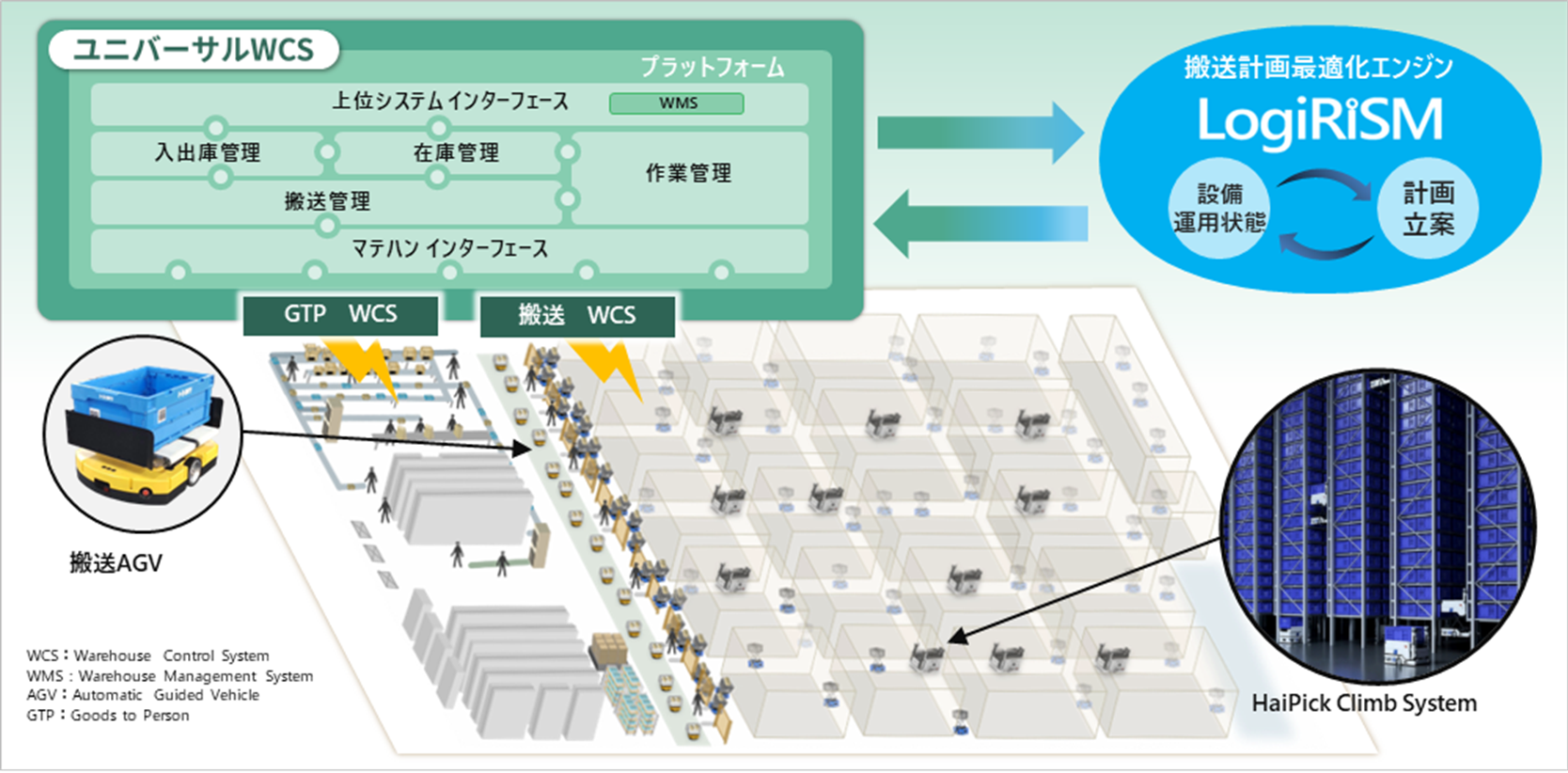
Hitachi’s system description explains how its Universal WCS coordinates equipment from multiple suppliers, while functions from LogiRiSM help plan the order and routing of work. Hai Robotics’ HaiPick Climb system, automated guided vehicles and conveyors handle the physical movement. The point is to coordinate the whole journey from storage to packing, rather than automate one isolated step.
Kokuyo projects roughly 40% higher productivity against the average actual performance of its three major centers in the capital region, Chubu and Kinki. That is the project’s benchmark, not a result measured at the new site. Its March project announcement already set out that target; the October update supplies the latest timetable and opening details. March’s planned October 30 start has moved to November 30.
A bigger local assortment
The center will consolidate shipping to Hokkaido. At startup, Kokuyo expects its regularly stocked product codes to exceed twice the assortment at the previous dispatch base serving Hokkaido. Same-day delivery is to extend progressively across all of Sendai.
For customers, this is where the infrastructure becomes useful: a wider assortment held locally and a broader delivery area. The announcement concerns Kaunet’s distribution network as a whole; it gives no mechanical-pencil-specific stock or delivery guarantees.
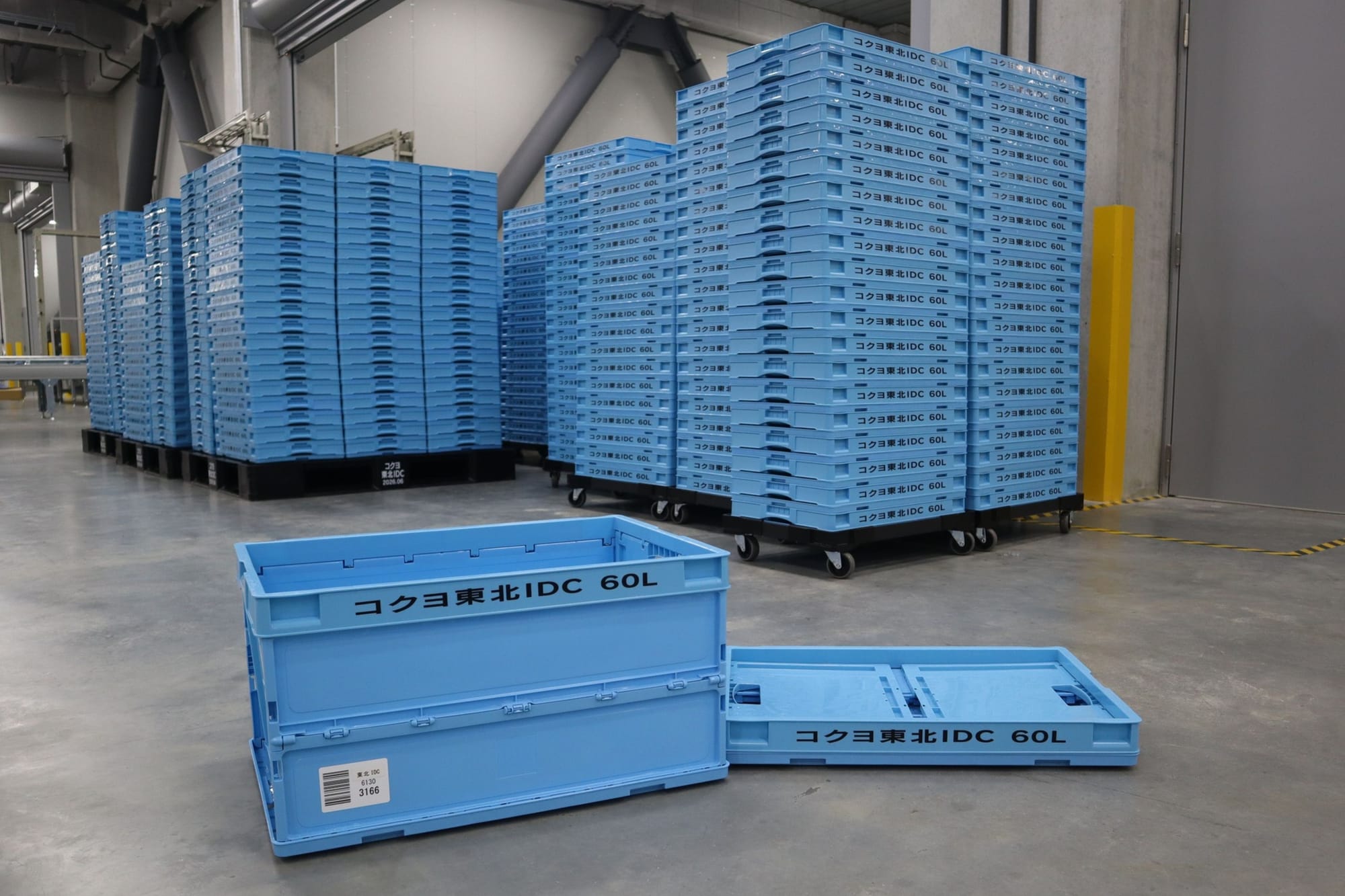
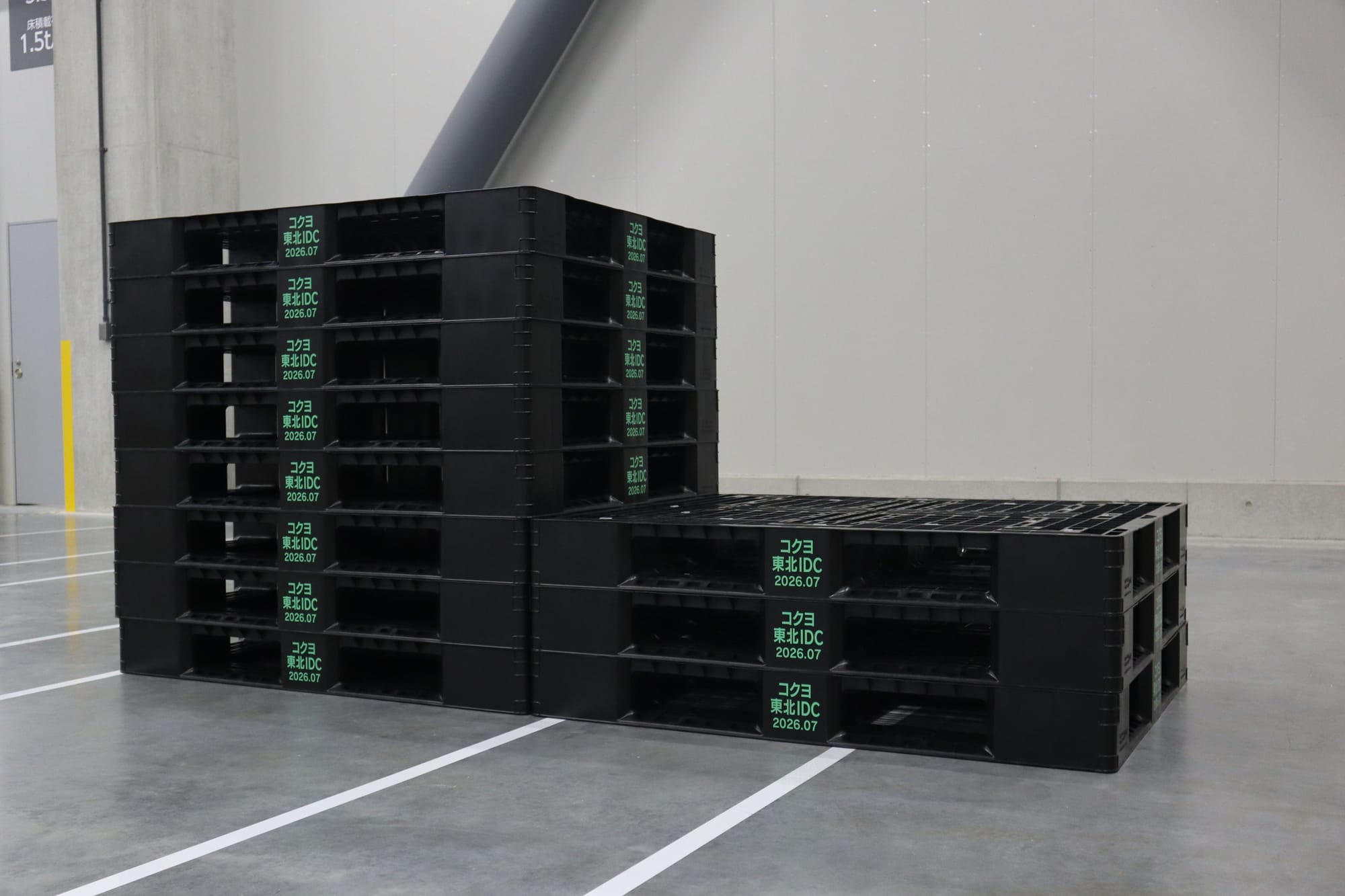
There is a smaller materials experiment inside the larger investment: 4,000 folding containers and 500 pallets use material containing about 10% plastic recovered through Kaunet’s Loopla office-plastic collection program. Kokuyo will also assess the pallets’ strength in use. It is a practical test of whether yesterday’s office supplies can become part of tomorrow’s supply chain.
Further viewing: Kokuyo’s official Tohoku IDC overview video.